

Twenty-year plan to restore nature and support fell farming

Work to restore heathland, meadows, woodland, peatlands and rivers in the uplands of South Cumbria has begun in earnest thanks to a new project supported by Defra’s Landscape Recovery Scheme.
Work to restore heathland, meadows, woodland, peatlands and rivers in the uplands of South Cumbria has begun in earnest thanks to a new project supported by Defra’s Landscape Recovery Scheme.
The Upper Duddon Landscape Recovery project brings together farmers, environmental organisations and the local community to manage 2,800 hectares of land in the Duddon Valley – a landscape rich in nature, history and culture.
The 20-year project is led by the University of Leeds together with local farmers, the National Trust, Forestry England, South Cumbria Rivers Trust, the University of Cumbria and Natural England. The project is funded by Defra as well as a range of businesses and foundations.
The project will support 10 land managers, six of them tenant farmers, to restore habitats and enhance nature across the landscape.
Professor Dom Spracklen of the University of Leeds School of Earth and Environment who is leading the project said: “This partnership will help farming, forestry and nature work together. In addition to supporting local farms, the project will create and support 14 jobs in the valley providing an important source of employment in the local area.
“We feel very privileged to be working together to create a secure future for fell farmers and nature in this beautiful corner of Cumbria.”
A haven for nature
The Duddon Valley is one of the quietest and most wooded valleys in the Lake District National Park. It is home to extensive ancient oak woodland and temperate rainforest, making it a valuable haven for wildlife.
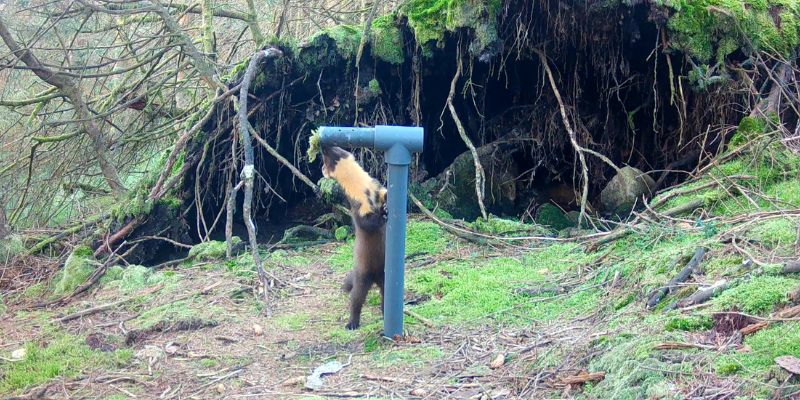
The project will restore meadows, heathland, wood pasture, scrub, woodland, temperate rainforest and blanket bog. Alongside restoration of habitats, it will also help the recovery of local wildlife such as tree pipit, pine marten and water vole.
The project benefited from valuable support and guidance from Natural England throughout its development phase, delivered via both the Area Team and a dedicated Project Liaison Officer. The project has entered into a 20-year agreement with Natural England.
A range of environmental benefits is set to be delivered including a reduction in downstream flood risk. River restoration work will improve water quality in the River Duddon and its tributaries.
A volunteering programme will provide opportunities for the local community and visitors to contribute to nature recovery. A new community-based wildflower and tree nursery will grow the flowers and trees needed to help habitats recover.
Steve Jolley, project officer from the National Trust said: “We're really excited to be part of this project which has brought together local farmers to deliver sustainable farming across the Duddon Valley.
“The valley has a strong tradition of fell farming and the National Trust welcomes the support to these farm businesses together with the focus on nature recovery.”
Paddy Deady, the Project Farm Manager and one of the tenant farmers involved in the project, said: “Within a few years I hope we will be able to demonstrate how the project is benefitting nature, benefitting the local community and benefitting the farming community who live here year-round.”
Stephen Bound, from Forestry England added: “This project will help us create resilient forests full of ferns, mosses and breeding song birds. The challenging access to the forest for timber haulage has been a significant factor driving our restoration efforts.
“Some of the timber sourced from our forest will supply the wood needed by the project including fence posts for local farms. This is an excellent example of our forests providing sustainable timber.”
The project combines funding from a range of sources including United Utilities. Matt Powell, its Catchment Partnership Officer, said: “We are very happy to be supporting investment in nature recovery that will help deliver better water quality for communities in South-West Cumbria.
“By working with the farming community in the Duddon, we will ensure a more resilient water supply for Ulpha Water Treatment Works and the enhancement of the natural environment.”
Further information
Images courtesy of the Upper Duddon Landscape Recovery project
For media enquiries, please contact the press office via pressoffice@leeds.ac.uk


