Pride Month 2026: Building everyday inclusion in our faculties

This Pride Month, we’re reflecting on how we can move beyond awareness to create meaningful, everyday inclusion for LGBTQ+ colleagues and students across our faculty.
In February, an EDI Community of Practice session was held, where colleagues from across the Faculty of Social Sciences and the Faculty of Environment explored what the ‘basics’ of LGBTQ+ inclusion look like in practice. A clear message emerged: inclusion should be visible, active, and part of our daily environment. From using inclusive language and sharing pronouns to displaying visible signals of support, small actions can have a big impact.
The discussion also highlighted the importance of representation and leadership. By amplifying LGBTQ+ voices, celebrating achievements, and increasing visibility beyond formal EDI spaces, we can strengthen a sense of belonging across our community.
Open dialogue and listening to our diverse LGBTQ+ community
Creating inclusive environments means supporting local networks, sharing practical guidance, and creating opportunities for people to connect and learn from one another. Open dialogue is key to building confidence and ensuring people feel able to engage in inclusive practices in their roles.
Pride Month also reminds us that the LGBTQ+ community is diverse. Continuing to listen and recognise different experiences is essential to ensuring people feel acknowledged and supported.
While challenges remain, there is a strong collective commitment to progress. We are also proud to showcase and celebrate some of the excellent LGBTQ+ inclusion work already taking place across the Faculty of Social Sciences and the Faculty of Environment.
Inclusive fieldwork
Attitudes towards LGBTQ+ people undertaking fieldwork can be very different from those in their regular workplace, both within and beyond the UK. This means fieldwork is not always as inclusive and safe for LGBTQ+ researchers as it is for their straight and cisgender peers.
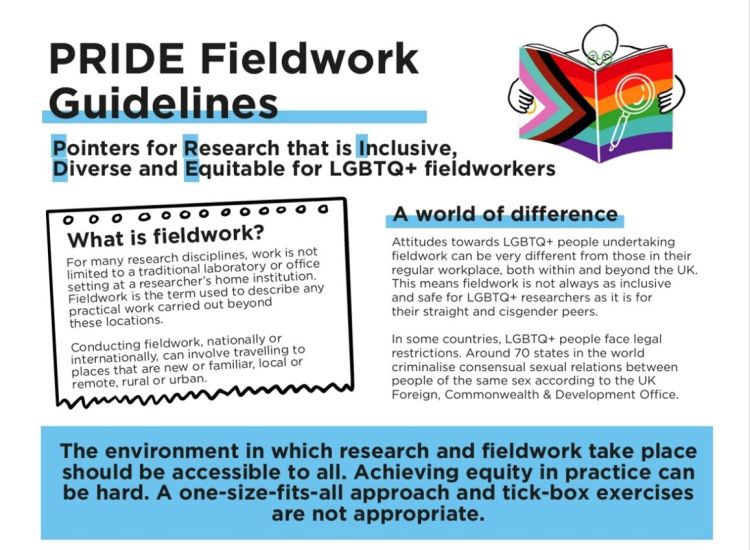
In some countries, LGBTQ+ people face legal restrictions. Around 70 states in the world criminalise consensual sexual relations between people of the same sex, according to the UK Foreign, Commonwealth & Development Office.
Researchers at the University of Leeds have developed the PRIDE Guidelines for safe, inclusive and equitable fieldwork. Led by Professor Martin Zebracki in the School of Geography, PRIDE Guidelines is a set of written guidelines, an ethics and inclusivity assessment, and a code of conduct to facilitate and promote safe, equitable and inclusive field research.
PGR Pride
PGR Pride was created to highlight recommendations to improve the sense of belonging and research culture of LGBTQ+ PGRs across the institution. The first University-wide dedicated LGBTQ+ PGR community in the UK Higher Education sector, PGR Pride has over 160 members.
PGR Pride was born out of an extensive research programme (funded by the University of Leeds Enhancing Research Culture) consisting of a participatory workshop, 26 interviews with PGR Pride members, and a project evaluation survey, led by School of Geography academics Dr Liam Taylor, Professor Robert Vanderbeck, and Jing Lu.
Events have included a queer book club, a PGR research showcase, a celebration of Trans Day of Visibility, and fieldtrips across Yorkshire.

In one member’s words:
Even if you don’t engage in [PGR Pride] 100% of the time, it’s nice to know there is a space dedicated to your identity, or even to be around like-minded people.
For most international PGRs, academic reputation is the primary consideration when choosing which University to study in, but broader friendliness towards LGBTQ+ people is important in deciding to study in the UK.
A dedicated LGBTQ+ community for PGRs is particularly vital for [international students] from countries with more restrictive legal frameworks who may not have experience of being ‘out’ in a workplace environment – or, indeed, at all – and can therefore explore and express their personal identity in a safe way.
Students interested in joining PGR Pride can sign up here.
Centre for Interdisciplinary Gender Studies
The Centre for Interdisciplinary Gender Studies (CIGS), led by Associate Professor in Gender and Social Policy Dr Patricio Simonetto, brings together more than 170 academics from across arts and humanities, social sciences, medicine and healthcare.
Alongside their research, CIGS members actively support Pride and LGBT+ History Month through events involving students and staff from across the university. Their work also helps drive positive change in society, including shaping legal frameworks and improving healthcare systems.
Research by CIGS members explores a wide range of issues affecting LGBTQ+ communities. This includes the impact of AI on LGBTQ+ people in policing, inclusion in dance sport, and how LGBTQ+ people navigate religious spaces.
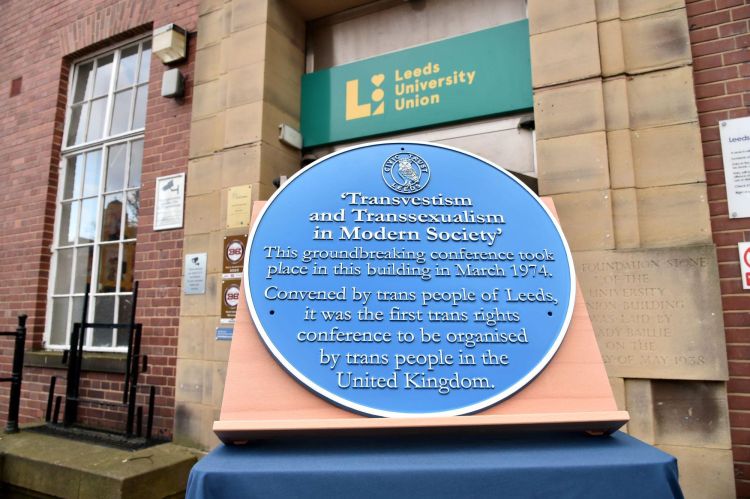
CIGS colleagues are committed to raising visibility and amplifying LGBTQ+ voices. This includes working with local trans activists to install a blue plaque on campus commemorating the UK’s first ever trans conference.
Their research extends internationally, working with drag artists in South Africa and supporting community-led trans projects in Argentina to rethink how academic knowledge is created and shared.
Further information
University of Leeds staff can join the LGBT+ Staff Network here.
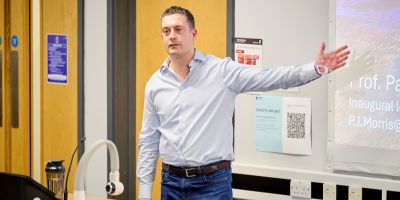
Main image: Faculty of Social Sciences staff attend Faculty Pride Month Celebration 2025.